Windows 8: Reimagined Era of Computing Now Begins (Historical Launch-Day Commentary)
Original Windows 8 launch-day commentary with a checked 2012 RTM, MSDN/TechNet and public-release timeline, plus historical upgrade-offer context.
- Applies to Windows 8
- 5 min read
View article illustration
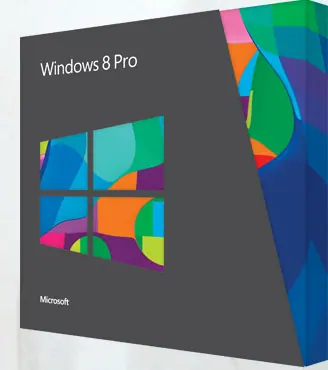
Documentation review: 6 November 2026. Release dates and offer terms were checked against contemporary Microsoft announcements. The original launch-day opinion is preserved separately from these later annotations; this is not a new product review or a claim of recent hands-on testing.
From RTM to the public launch
The August and October articles describe different stages of the same release. Microsoft’s RTM announcement meant the code was being handed to PC manufacturers; it did not mean every customer could buy or download Windows 8 that day. Developer and IT subscriptions had their own early-access dates.
| Date in 2012 | Milestone | Audience and significance |
|---|---|---|
| 1 August | Release to manufacturing (RTM) | Microsoft announced the handoff to hardware partners preparing Windows 8 PCs. |
| 15 August | MSDN and TechNet subscriber access | Developers and IT professionals received access ahead of the consumer launch, allowing preparation and evaluation. |
| 26 October | General availability (GA) | The public release covered upgrades and new PCs/devices, the milestone discussed in the commentary below. |
Our subscriber notice was dated 15 August. Microsoft’s Source Asia announcement is dated 2 August, while its Windows blog announced RTM on 1 August. Neither date should be substituted for the 26 October public launch. These distinctions explain why a contemporary article could describe the final release as available while another still discussed an upcoming launch.
The subscriber announcement also highlighted the change toward the Start screen, Windows Store apps and a touch-oriented interface, then commonly described as Metro or Windows 8 UI. Those were the features shaping the launch discussion, rather than evidence that all audiences had the same download rights.
Original launch-day commentary — 26 October 2012
After much anticipation, Windows 8 reached general availability on October 26, 2012. During its pre-release stages, it received mixed feedback from developers, IT professionals, enthusiasts, and consumers. The new Windows 8 interface drew both appreciation and plenty of criticism.
With Windows 8 finally reaching GA, we could begin to see how the product would perform for Microsoft. Windows 7 had been a huge success; Windows 8 was a much bigger change in direction.
Windows 8 brought a long list of new features and a dramatically redesigned interface. Microsoft described it at launch as a reimagined Windows. The Start screen and tile-based UI tried to bridge PCs and touch-first devices, while the new Windows Store introduced a central place for obtaining Windows Store apps.
At the time, I saw Windows 8 as a step toward a broader shift in personal computing—particularly the convergence of software designed for traditional PCs and touch devices. Whether users would embrace that shift was the big question on launch day.
The launch offer at the time
Microsoft also promoted a Windows Upgrade Offer for eligible Windows 7 PCs purchased between June 2, 2012 and January 31, 2013. The promotional upgrade to Windows 8 Pro was advertised at $14.99 in the United States, with region-specific pricing elsewhere.
That offer is included here strictly as historical context; it is no longer available.
Microsoft’s registration announcement distinguishes the eligible-PC offer from the separate $39.99 U.S. upgrade promotion. It also gives 28 February 2013 as the registration deadline for the $14.99 offer. The PC purchase window and registration deadline were different conditions. A headline price by itself therefore does not describe who qualified or when they had to act.
Do not use those old promotional prices as a current valuation or follow an archived registration sequence expecting it to work today.
Reading the commentary today
The original question was whether a common interface could satisfy traditional PC users and people working primarily through touch. This article records that question as it stood on launch day; it does not turn an early opinion into a later claim about sales, satisfaction or the product’s eventual success.
The timeline also separates preparation from adoption. Access through a developer or IT subscription allowed an audience to evaluate the release before GA; it is not a measure of how many consumers chose it. Keeping those categories separate makes the two original reports more useful together than as isolated availability notices.
For the actual interface rather than the launch discussion, see the historical Settings and Charms guide and keyboard and Start-screen reference.
Original video link
Open the Windows 8 video linked in the original article. Playback availability could not be confirmed during this review. The written commentary does not depend on the video, and the link is retained as part of the original article record.
Where Windows 8 stands now
Windows 8 support ended on January 12, 2016, and Windows 8.1 support ended on January 10, 2023. The operating system and Store experience described in this launch-day article should therefore be read as part of Microsoft’s product history, not as current buying or upgrade guidance.
The old MSDN and TechNet references identify the release channels used in 2012. They are not instructions for obtaining a supported operating system or a license today.
Primary references
Microsoft Support — Windows lifecycleSupport boundaries for these historical Windows releases.
Related posts
Browse all articles →
Fix: Windows 8 Store/Metro Apps Show a Splash Screen but Do Not Launch (Historical)
Historical Windows 8 troubleshooting for Store/Metro apps that display a splash screen and immediately fail to open.

Use DISM to Repair the Windows 8 or 8.1 Component Store (Historical)
Check and repair Windows 8/8.1 component-store corruption with DISM, then run System File Checker to repair protected system files.
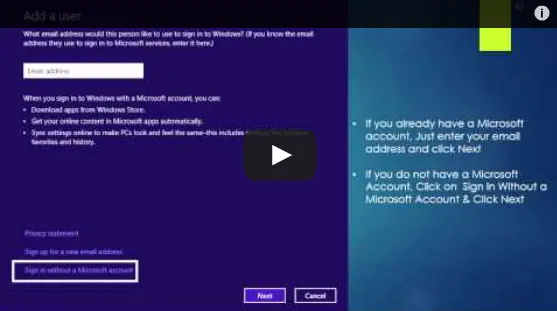
Set Up and Sync a Microsoft Account in Windows 8 (Historical)
Historical Windows 8 guide to adding a Microsoft account and enabling the operating system's original settings-sync experience across Windows 8 devices.